

The Colors and Expressions of the Earth
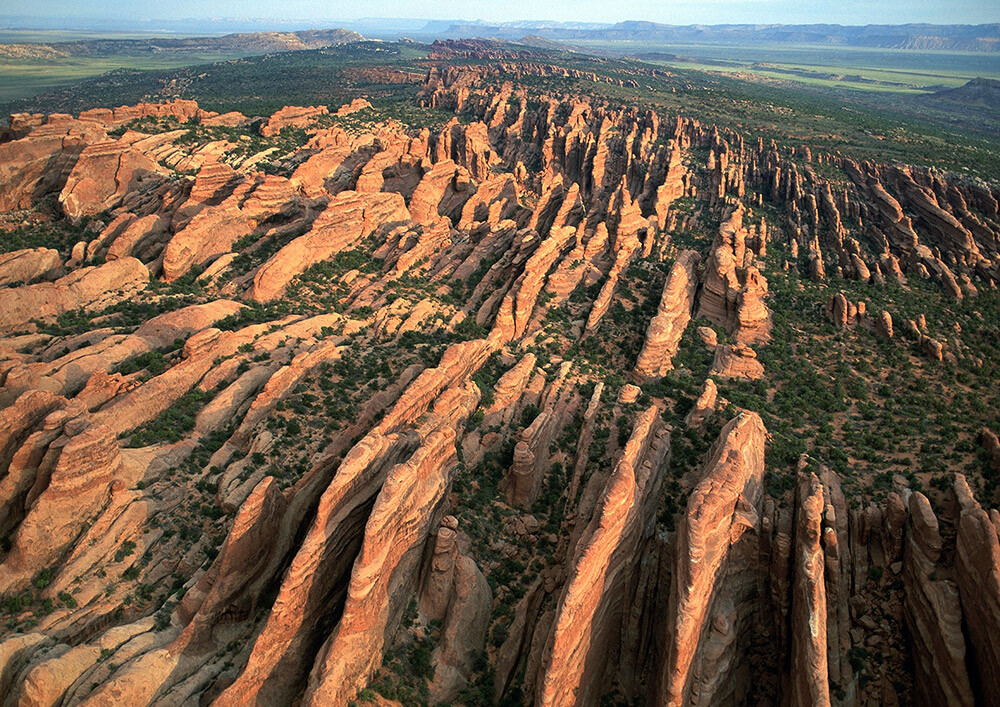
Arches National Park, USA
Home to more than 2,000 natural stone arches and towering rock formations, the park contains one of the world's largest concentrations of unusual rock formations. Initially, layers of sandstone accumulated atop underground salt beds. As the immense weight caused the salt beds to slowly flow, the overlying sandstone layers were uplifted. Later, erosion carved away the surface and the iron-rich sandstone oxidized, creating the park's striking reddish-brown rock formations.
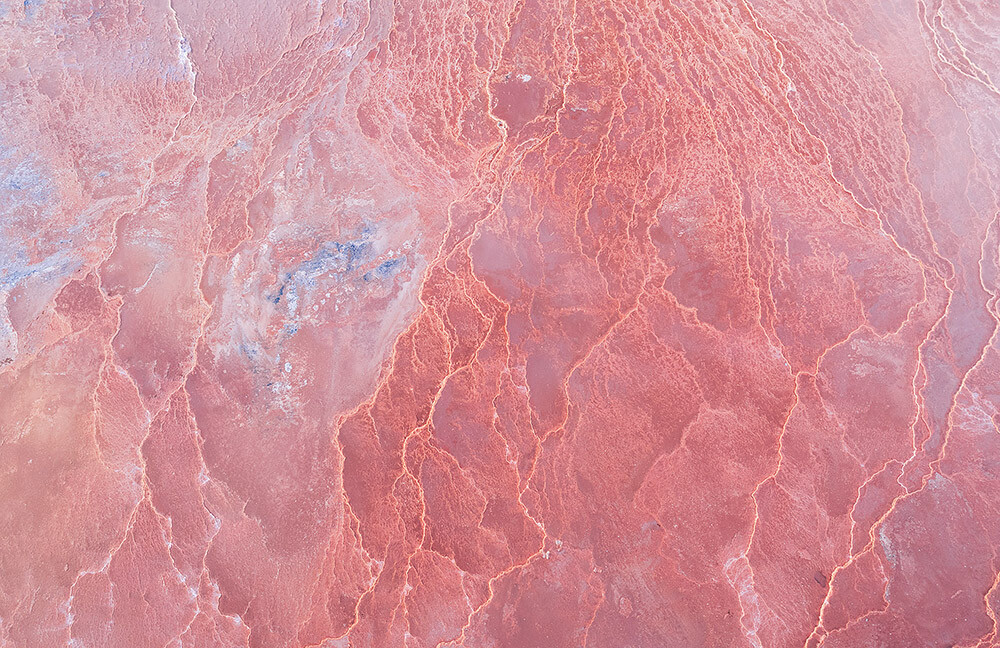
Gunnuhver, Iceland
Located on the Reykjanes Peninsula, Gunnuhver is an active geothermal area. The iron-rich ground, colored in shades of red and pink by oxidation, is etched with a delicate web of white cracks formed as the surface dried. The scattered blue-gray patches are created by unoxidized iron and silica dissolved in the geothermal water, which scatters sunlight, giving the patches their bluish appearance.
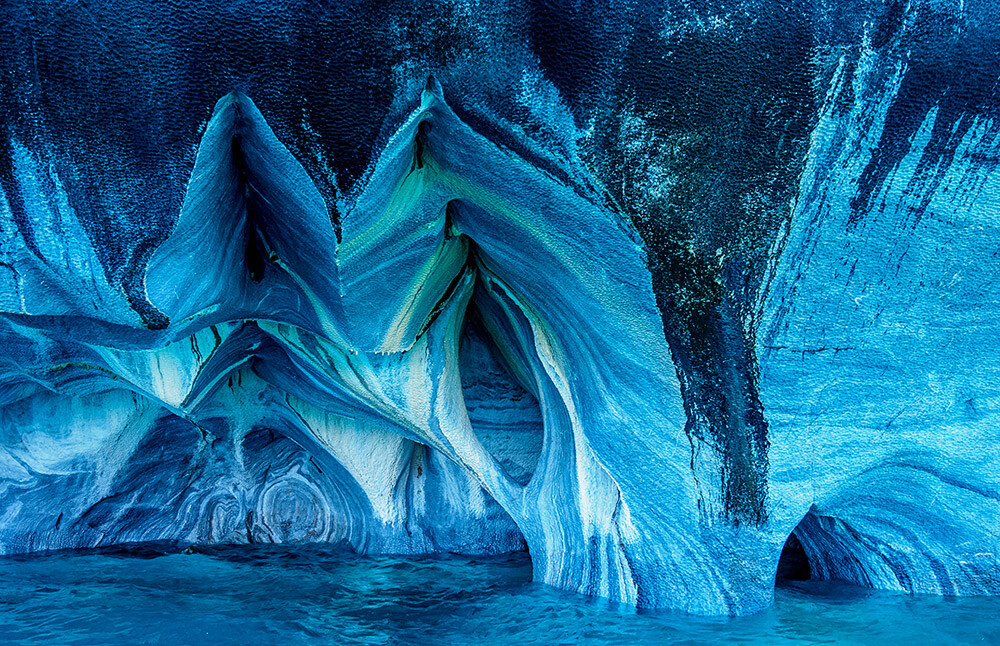
Marble Cathedral, Chile
The Marble Cathedral is a network of marble caves on General Carrera Lake. Formed when limestone was transformed into marble and gradually sculpted by glaciers, they feature intricate formations and gracefully curving walls. The site is famous for its Marble Caves, where the walls glow with an ethereal blue light, reflecting the ever-changing hues of the lake.
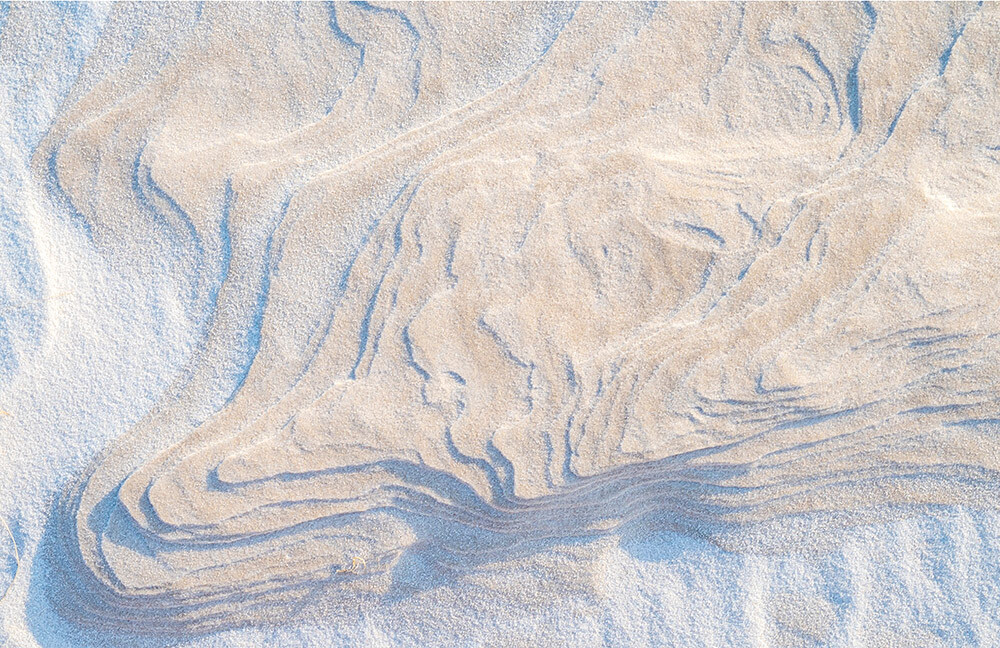
Lençóis Maranhenses National Park, Brazil
A sweeping expanse of pristine white sand dunes composed of high-purity quartz, the park derives its name from lençóis, the Portuguese word for "bedsheets." Quartz carried from the Amazon River to the Atlantic Ocean was pushed back inland by ocean currents and strong winds, where it accumulated. The polished quartz scatters light, giving off a brilliant white glow.
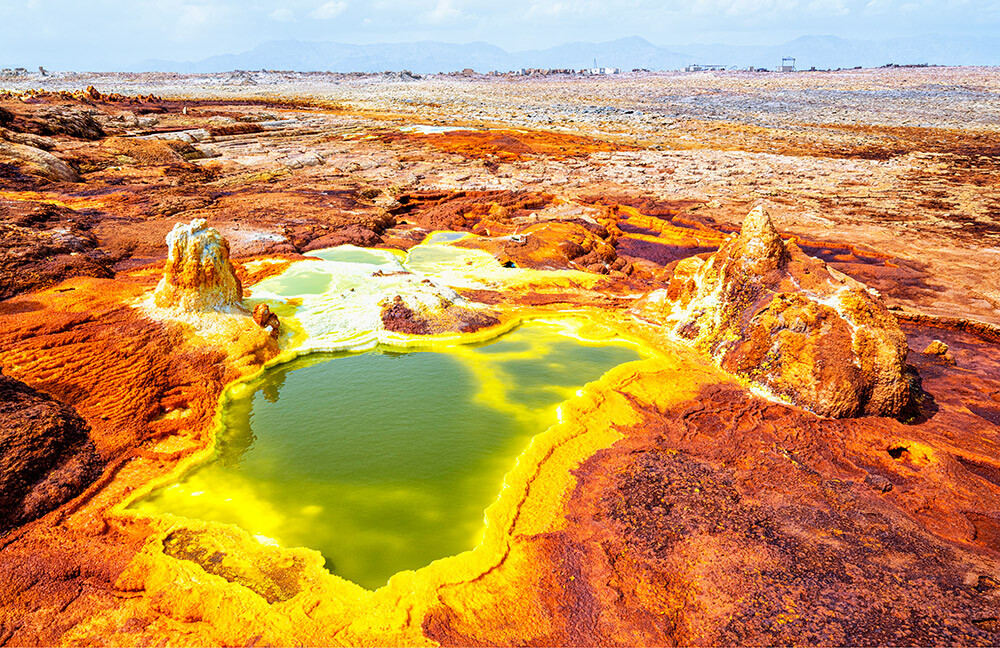
Danakil Depression, Ethiopia
A depression lying 115 to 125 m below sea level in the Great Rift Valley of Africa, where three tectonic plates meet. It is considered one of the hottest and lowest places on Earth. Around Dallol, an active volcano, hot springs erupting with sulfur, iron, and salt have created a unique landscape of yellow, green, and red crystals and unusual salt formations.
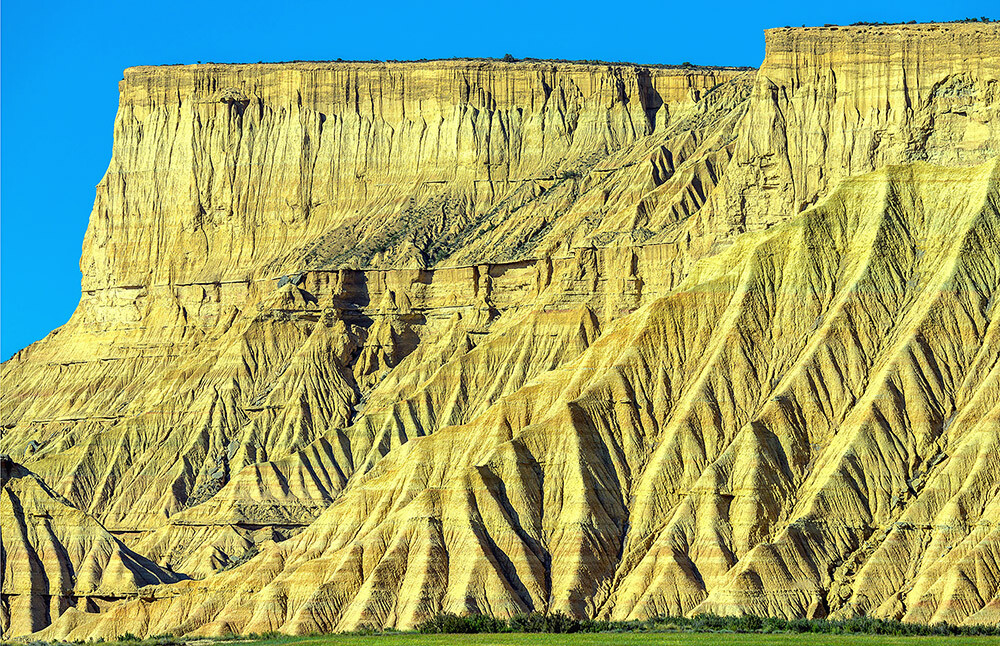
Bardenas Reales Natural Park, Spain
One of Europe's largest semi-desert landscapes. Successive layers of clay, chalk, and sandstone have been sculpted by erosion into a stark landscape of flat-topped plateaus, sheer cliffs, and isolated buttes.
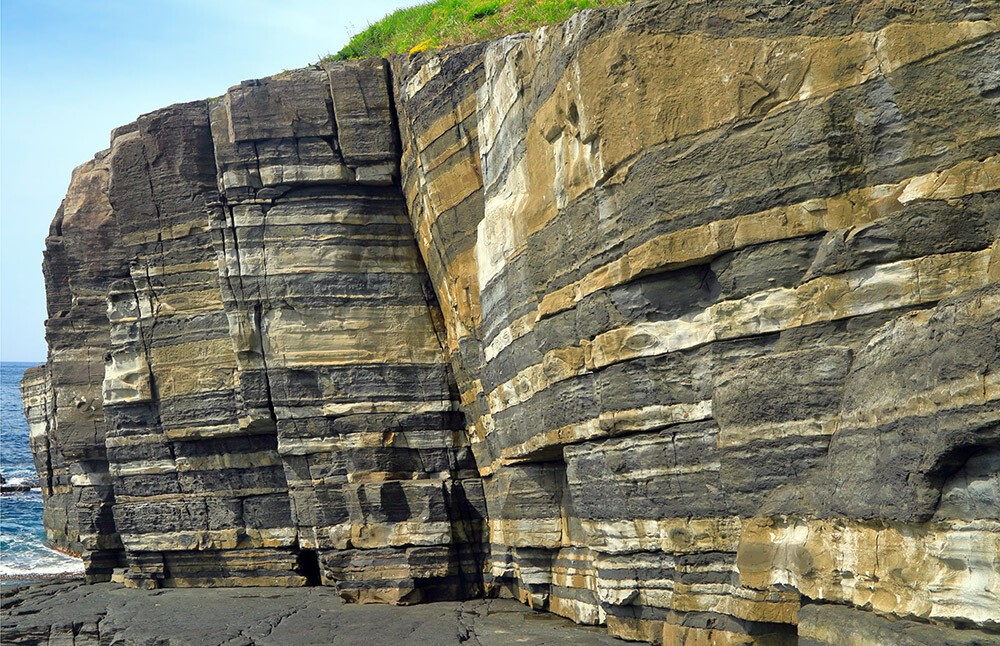
Susa Hornfels, Yamaguchi, Japan
A cliff of metamorphic rock formed about 15 million years ago, when the heat of rising magma transformed layers of sandstone and mudstone. The site is characterized by distinctive bands of sandstone-derived grayish white and mudstone-derived black.
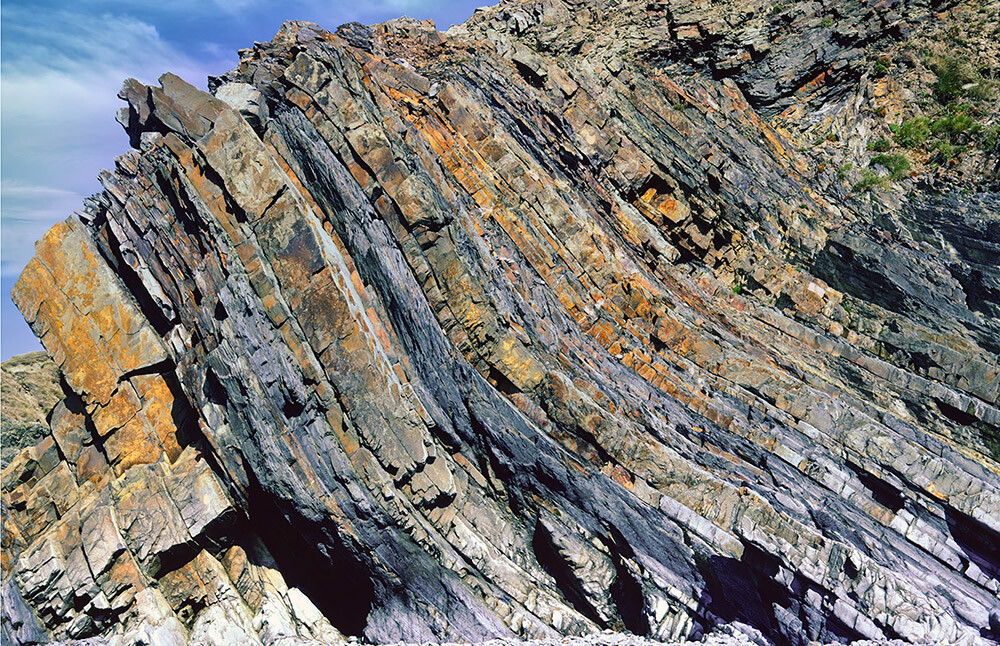
Folded Rock Strata at Welcombe Mouth, England
Rock layers dating back more than 300 million years. Intense pressure during the Variscan Orogeny, a major episode of mountain building driven by continental collision and other tectonic forces, folded originally horizontal layers of sandstone and mudstone deep within the Earth. This dramatic deformation created the striking cliff landscape seen today.
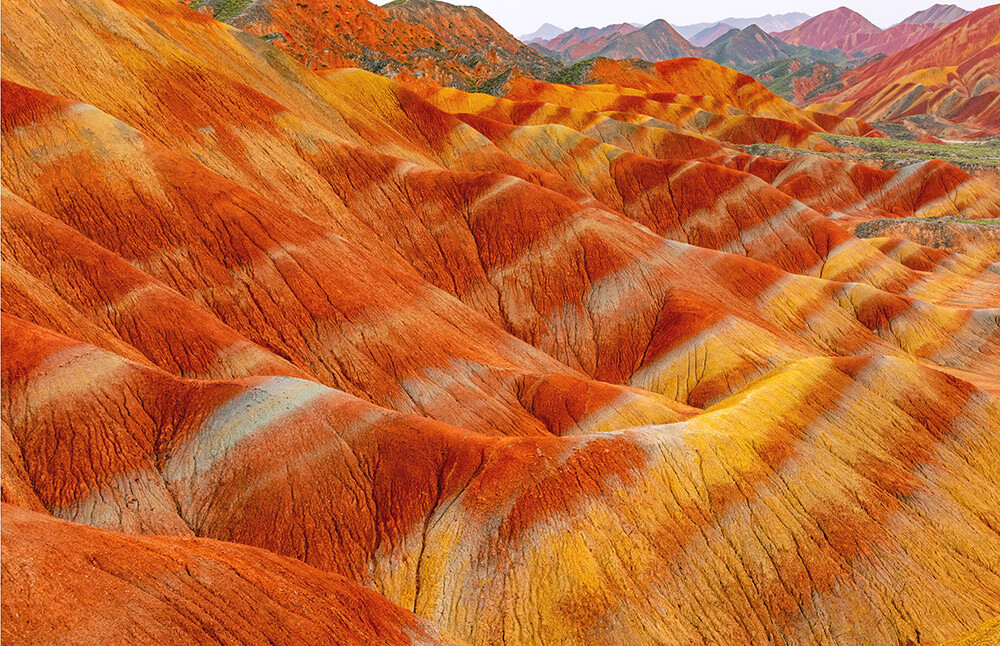
Zhangye Danxia Landform, China
Part of China Danxia, a series of landscapes characterized by steep cliffs and rugged formations created by the uplift of red sedimentary rocks. Composed of sandstone and conglomerate in colorful bands including red, yellow, white, and green, the site is also known as the "Rainbow Mountains."
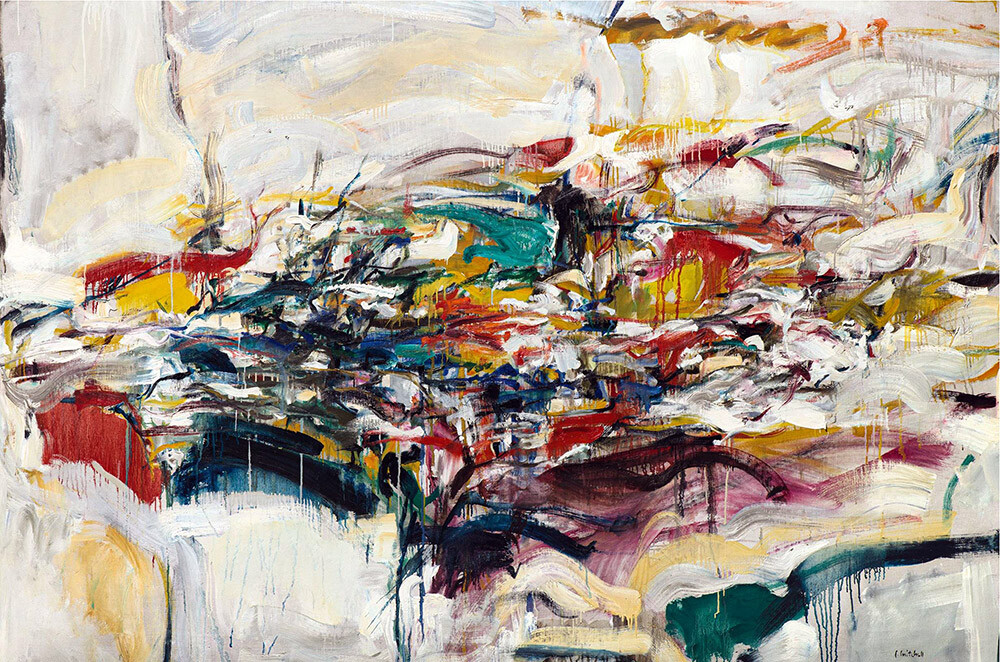
Strata
Joan MITCHELL, c. 1960
American artist Joan MITCHELL (1925-1992) emerged as a leading figure of the New York School and remained a major force in Abstract Expressionism for more than four decades. In this work, vigorous brushstrokes build up strata of color inspired by memories of landscapes and emotion, conveying both the depth of the earth and the accumulation of time. (Oil on canvas, 129.9cm×197cm×2cm)
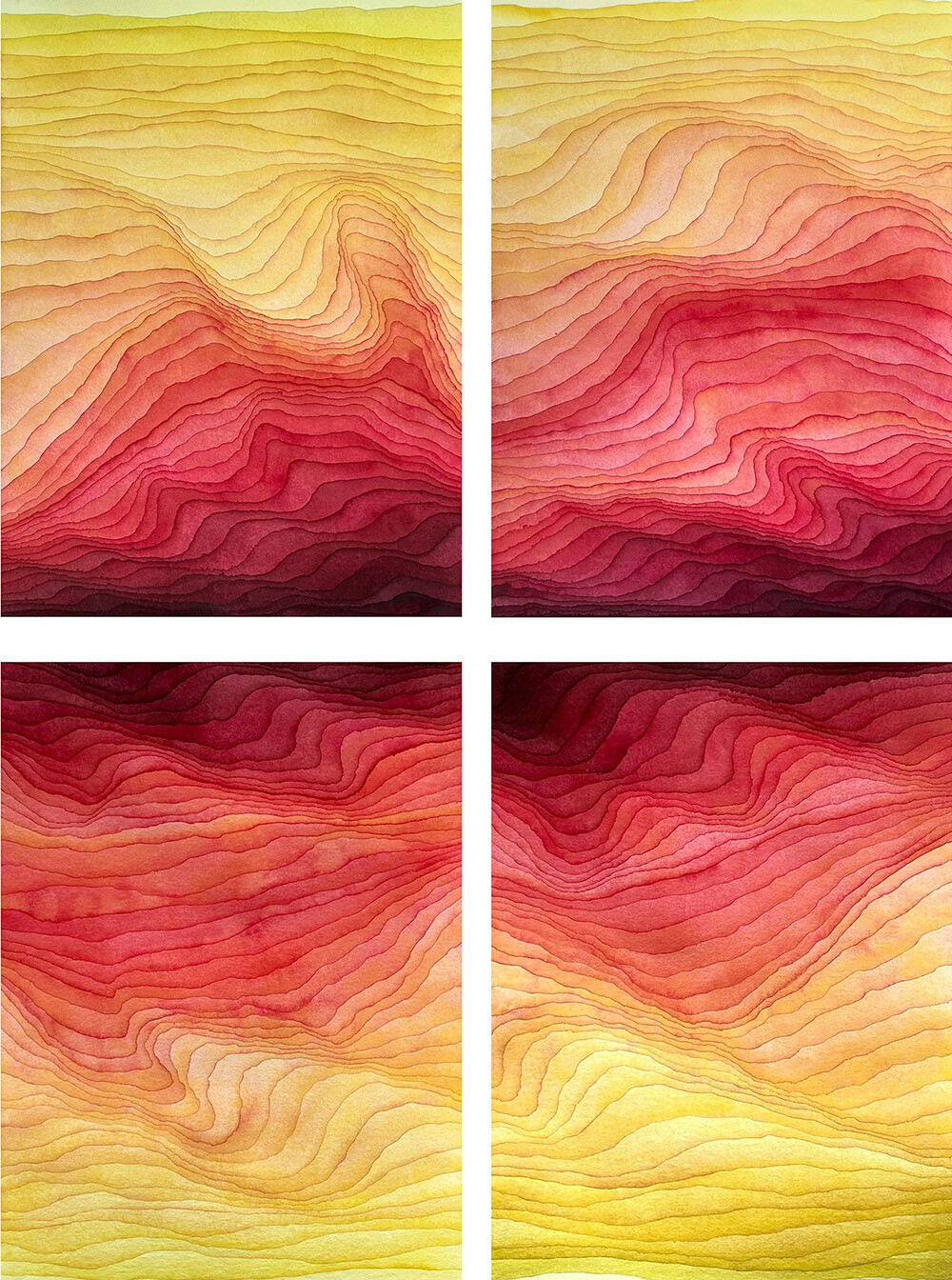
Four Strata Works
Mikael HALLSTRØM, 2025
A self-taught artist born in 1979 with a master's degree in social anthropology, Danish visual artist Mikael HALLSTRØM explores the relationship between nature and culture through conceptual and formal approaches. As the title suggests, this series draws on geological strata, with each fully dried layer carefully overpainted with another in a meticulous process repeated several times, expressing the accumulation of time and the continual transformation of nature. (Watercolor on paper, 30cm×40cm)
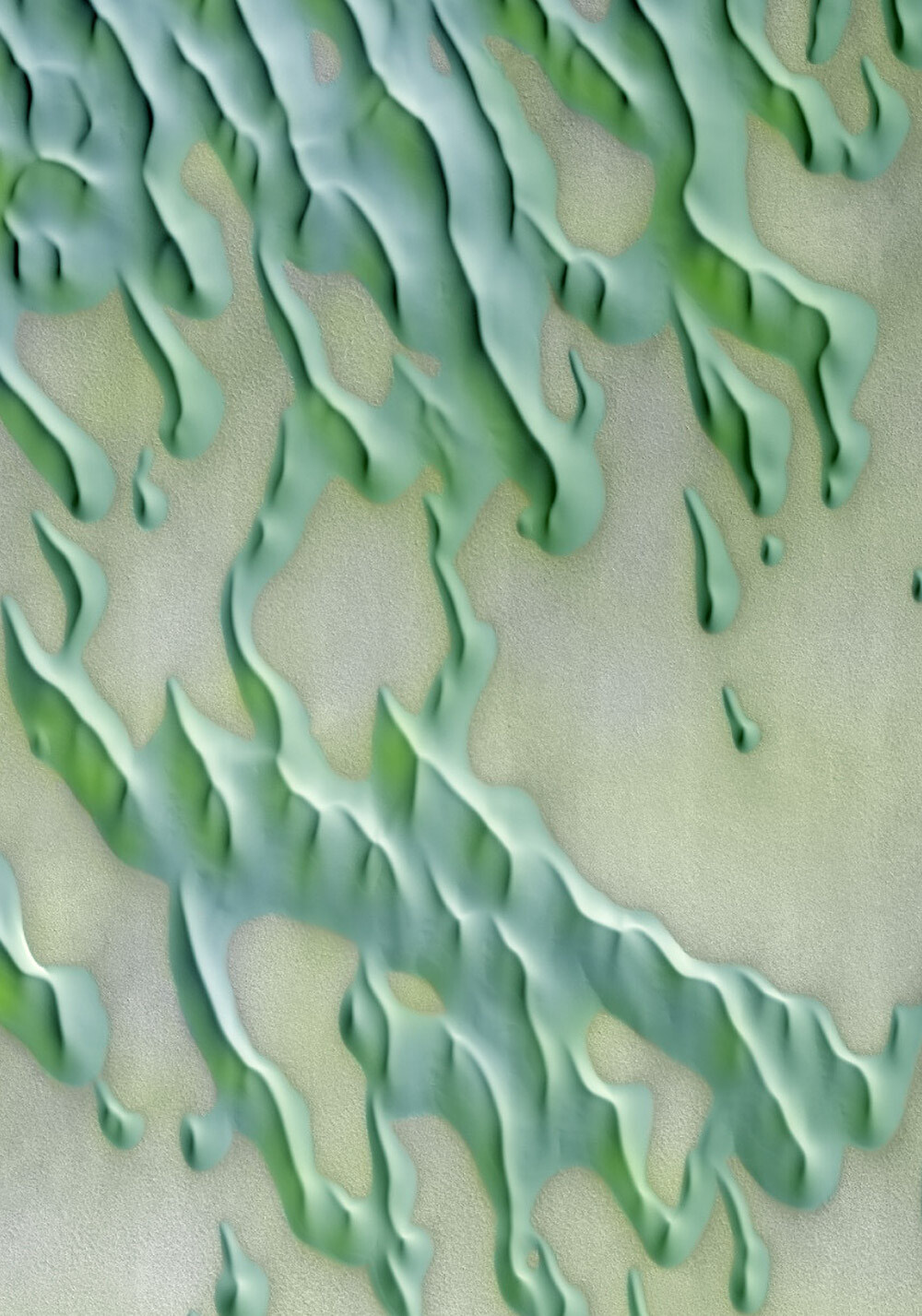
Ma.r.s. Series
Thomas RUFF, 2014
Contemporary German photographer Thomas RUFF (born 1958) is renowned for his innovative approach. This work is part of the ma.r.s. series (2010-2014), created from high-resolution images captured by NASA's Mars probes and digitally transformed through colorization and other image-processing techniques. By converting a vertically captured monochrome image into an oblique perspective and introducing color, Ruff has transformed the distant Martian surface into a landscape that feels unexpectedly immediate and even strangely familiar.
IRB_ma.r.s. 03 Thomas RUFF, 2014
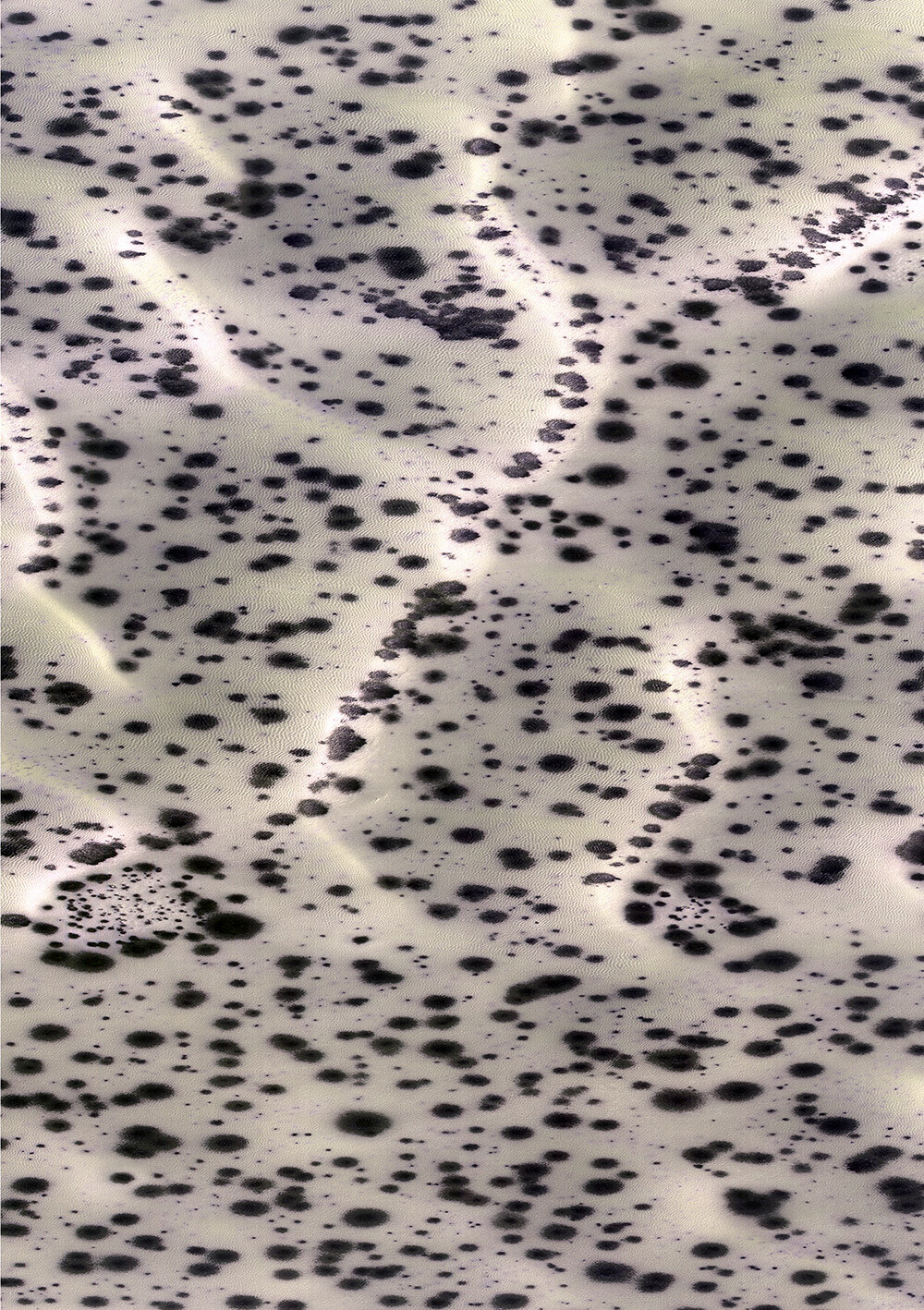
IRB_ma.r.s. 04 Thomas RUFF, 2014
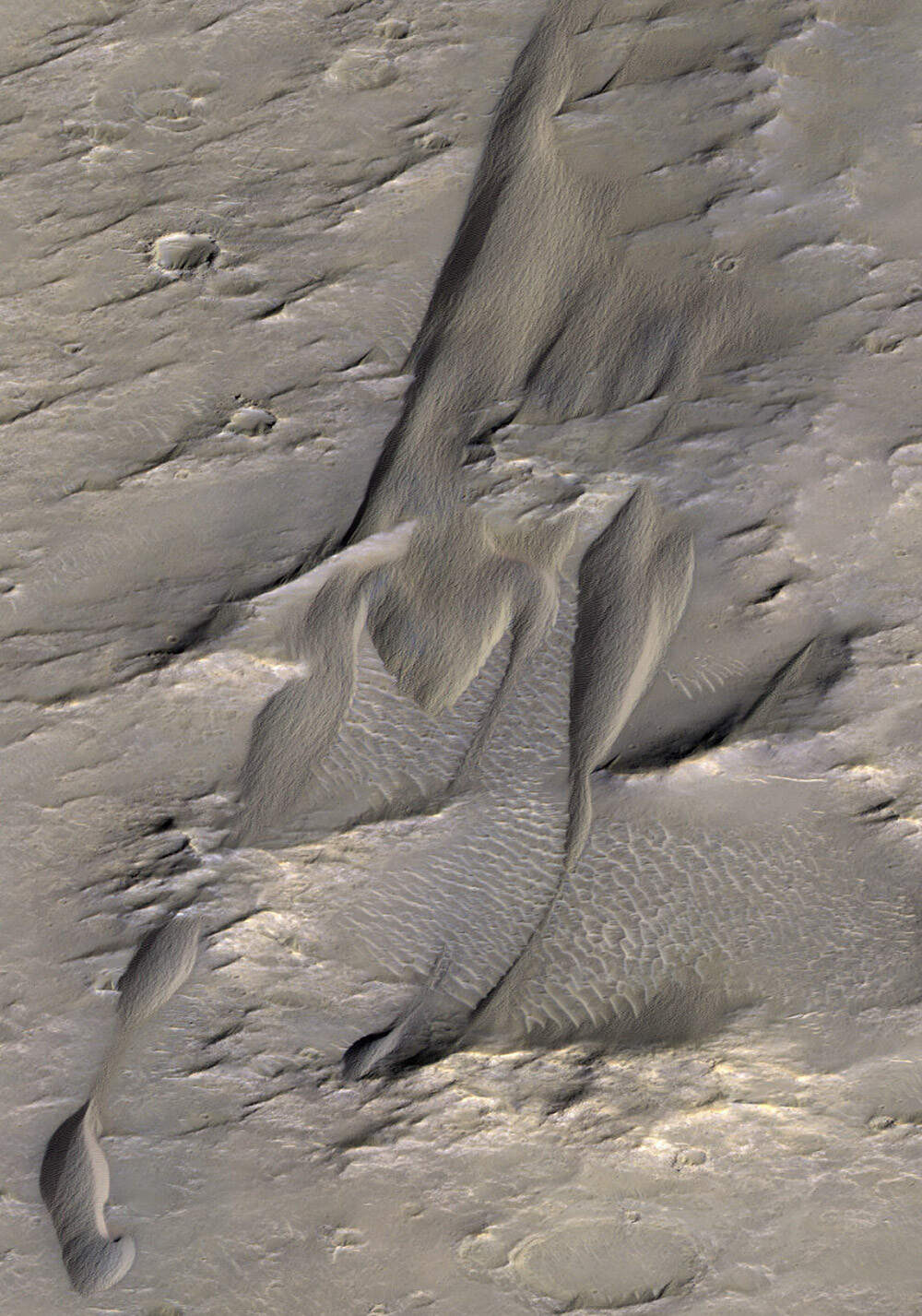
IRB_ma.r.s. 01 Thomas RUFF, 2014
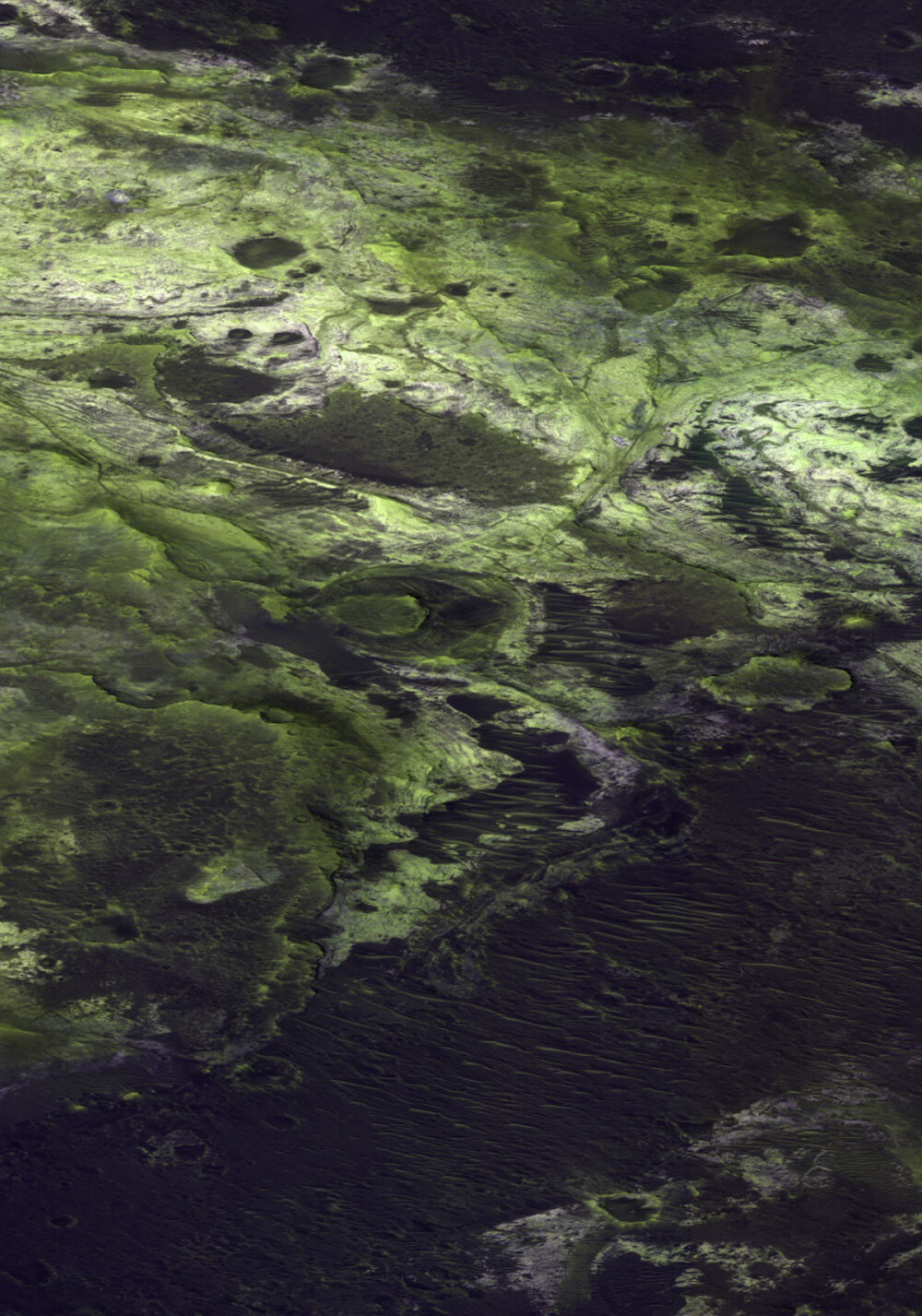
RGB_ma.r.s. 02 Thomas RUFF, 2014
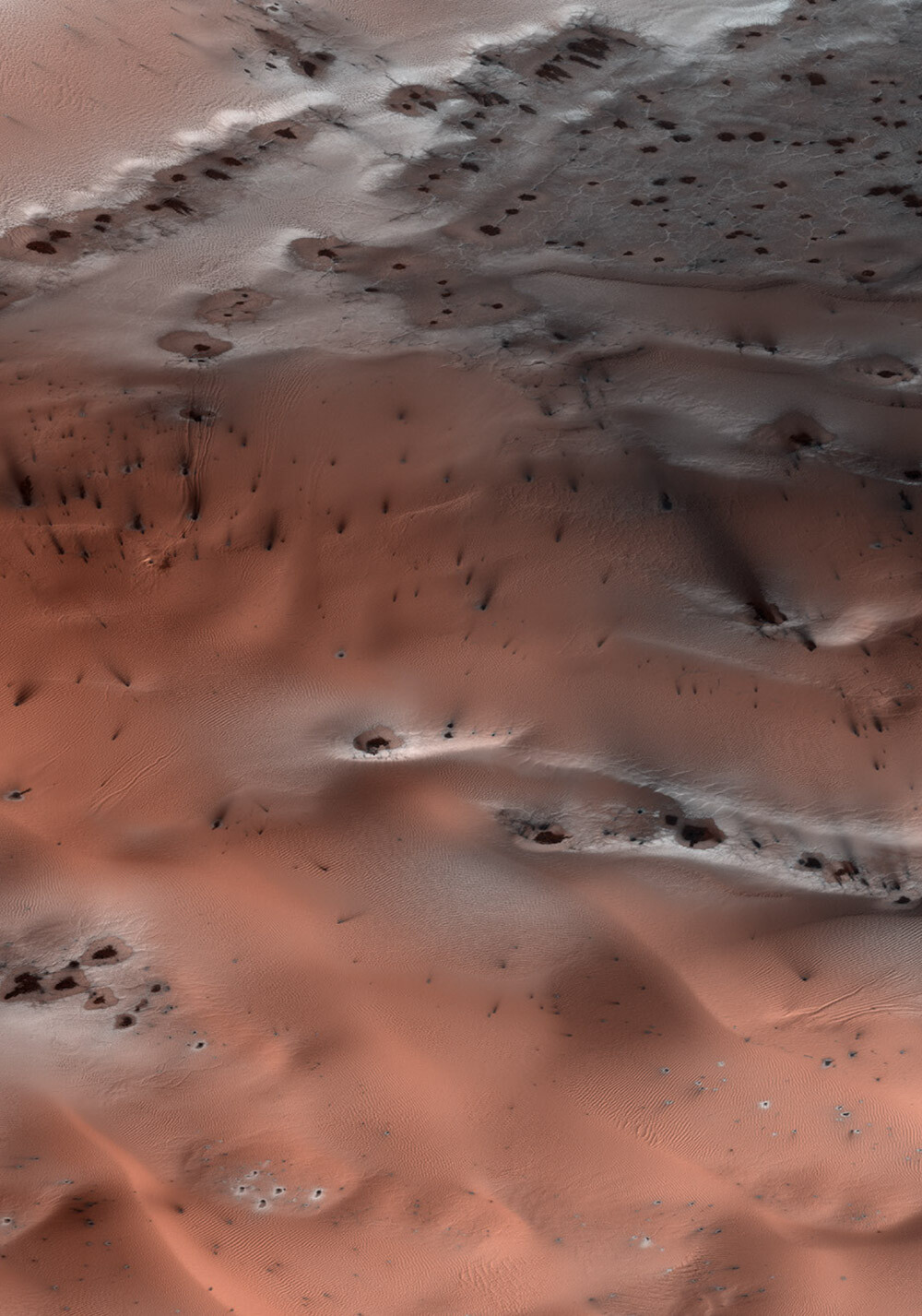
ma.r.s.07_I Thomas RUFF, 2012
- Current page: page 1
- 1 / 1
The issue this article appears
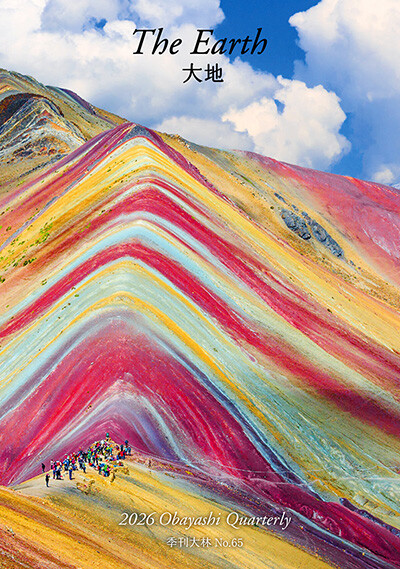
No.65 "Earth"
The earth nurtures life and sustains the rich natural environments that surround us. We live each day benefiting from its blessings. How did the earth come into being? And is there land on planets beyond Earth?
This issue explores the diverse and colorful landscapes found around the world and the ways in which they are intertwined with people’s lives. We also trace the geological processes that have shaped these distinctive landscapes. In the Obayashi Project, we took on the ambitious challenge of conceptualizing the creation of habitable terrain and the development of an environment capable of sustaining life inside a Martian crater.
We reflect on the richness and significance of the natural world nurtured by the earth and turn our thoughts to the future of our planet’s environment.
(Published in 2026)
-
The Colors and Expressions of the Earth
- View Detail
-
Earth's Soil and Planetary Soil
FUJII Kazumichi
(Unit Leader, Soil Homeostasis Research Unit, Fukushima Institute for Research, Education and Innovation) - View Detail
-
Who Owns Land in Space?: Rethinking the Ethics of Terraforming
MOTOMURA Yukiko
(Special Visiting Professor, Faculty of Life and Medical Sciences, Doshisha University; Guest Editor, The Mainichi Newspapers Co., Ltd.) - View Detail
-
Terraforming: Ecosynthesis and Ecological Restoration on Mars
Christopher P. McKay
(Planetary Scientist; Senior Scientist, NASA Ames Research Center) - View Detail
-
OBAYASHI PROJECT
Creating Habitable Terrain on Mars: Crater Paraterraforming
Concept: Obayashi Project Team
- View Detail
-
Dreams of the Red Earth: Five Hundred Years of Martian Settlement
TAKEUCHI Kaoru
(Science Writer; Professor, Faculty of Social Informatics, ZEN University) - View Detail
-
The "Earthen Houses" of Iceland
FUJIMORI Terunobu
(Architectural historian and architect; Director, Tokyo Metropolitan Edo-Tokyo Museum; and Emeritus Professor, University of Tokyo) - View Detail
-
The Earth's Memory: Landscapes Shaped by Nature and Human Life
- View Detail